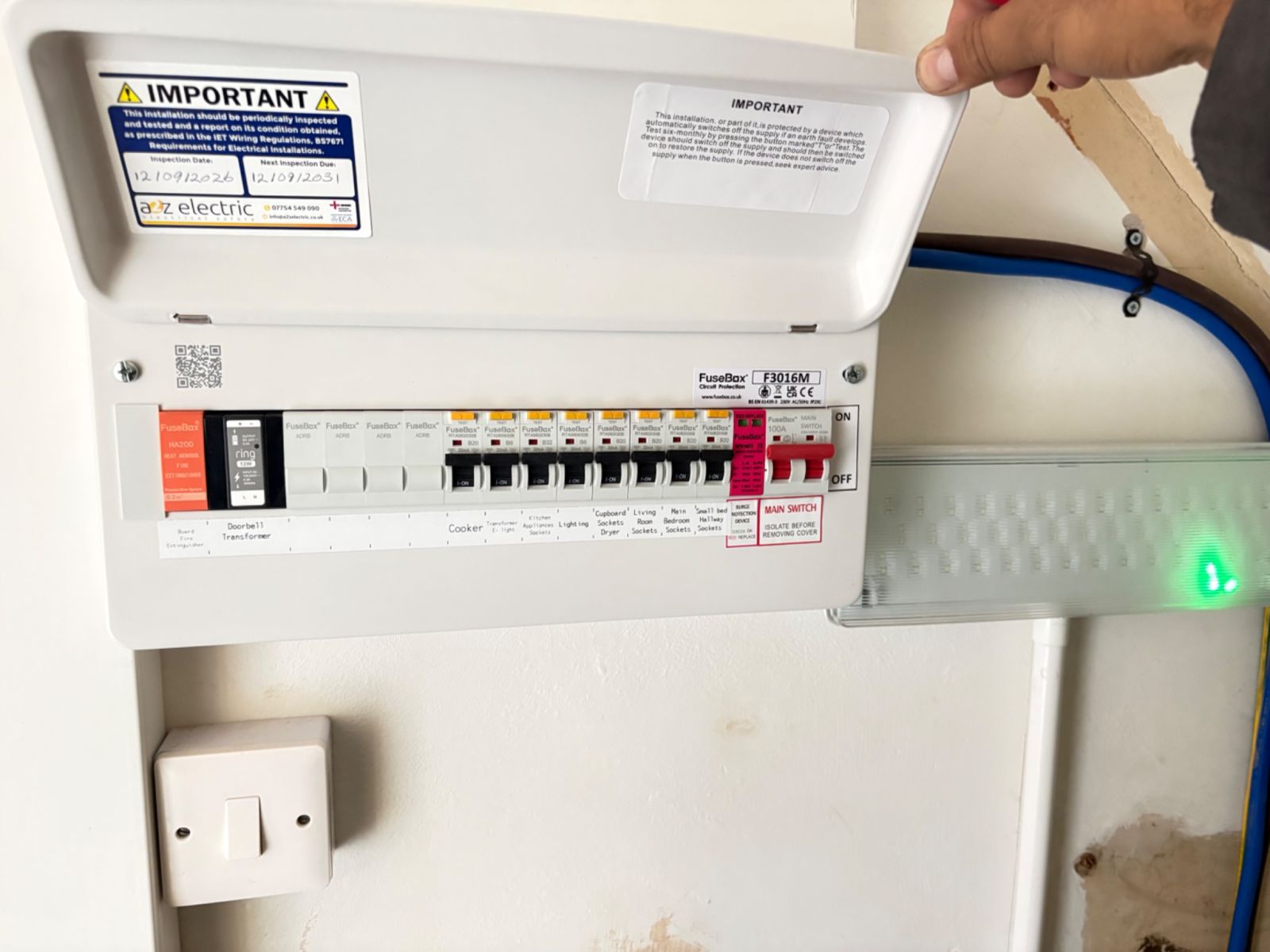

Fuse board upgrades
Modern circuit protection, testing and certification.
Explore fuse board upgrades


Search for an EICR in London and you'll see offers from £69. For a landlord with a renewal due, that looks like an easy saving. But a proper Electrical Installation Condition Report takes a qualified electrician around three to four hours of inspection and testing, plus the paperwork. In London, £69 doesn't cover that time once travel, parking and the Congestion Charge are paid.
So how can anyone do it for £69? Usually they can't, at least not properly. The cheap price is the hook. The money is made somewhere else: on a test that's too quick to find real faults, or on repair work the report says you need.
This guide explains what a real EICR involves, why the numbers don't work, the warning signs of a cut-corner report, and what's at stake for landlords and the people living in the property.
An EICR is an inspection and a set of tests on every circuit, checked against BS 7671, the UK Wiring Regulations. Electrical Safety First says it normally takes around 3–4 hours, depending on the size of the property and the number of circuits. Some firms allow up to 30 minutes per circuit, so a 10-circuit home can take 4–5 hours.
A proper EICR includes:
The readings are the part you can't see, and they are the whole point. A loose connection, a cable damaged by a picture hook, or an RCD that no longer trips can all look perfectly fine from the outside.
In London, the standard call-out for a qualified electrician is £120–£150, and that only covers the first hour. A full EICR takes three or four hours. Set £69 against the real costs of one job:
| What the job needs | What it costs |
|---|---|
| Time on site for a full test | 3–4 hours |
| Congestion Charge (central London) | £18 a day |
| Parking or a visitor bay | often £10–£20 for a few hours |
| Travel between jobs | 30–60 minutes of London traffic |
| Writing up and issuing the report | 30–60 minutes |
| Calibrated test equipment, insurance, scheme membership | an ongoing cost on every job |
After the Congestion Charge and parking, £69 leaves roughly £30–£40 for four or five hours of skilled work. Nobody can make a living that way. Landlord industry press has reported that some testers carry out up to 10 inspections a day, which leaves well under an hour per property.
When the price is impossible, the business model has to be one of two things: skip the testing, or make the money back on the repairs.
Not every low price is a scam, but these are the patterns we see most often when we're asked to look at a cheap report.
1. The 30-minute visit. Someone photographs the fuse box, plugs a tester into one or two sockets and leaves. Readings for circuits that were never tested still appear on the report. It looks complete, but it isn't.
2. The fuse-board upsell. The report fails the property on the consumer unit, followed by a quote for a new board, often £600 or more. Sometimes a new board really is needed. Often it isn't. The IET, which publishes the Wiring Regulations, makes these points:
3. Codes chosen to sell work. C1 and C2 codes make a report unsatisfactory, so they are the codes that create repair jobs. The IET says codes are a matter of engineering judgement, and a good inspector writes factual observations and quotes any remedial work separately.
4. The tester you never meet again. Cheap reports are often sold online and passed to whichever subcontractor takes the lowest fee. Landlord press has also reported concerns about testers with only short courses behind them.
The result is one of two bad outcomes. Either you pay for work you didn't need, or you get a "satisfactory" certificate on wiring that was never properly tested.
A cheap certificate passes the paperwork, but it does nothing for the wiring. Electrical Safety First names the three main electrical hazards in the home as electric shock, fire and burns. A test that never measured insulation resistance or RCD trip times can't tell you whether any of those risks is present.
For tenants and families, a "satisfactory" report on untested wiring means they believe the home is safe when nobody actually checked. A damaged cable or a faulty RCD stays in place until something goes wrong.
For landlords, the legal duty doesn't stop at holding a certificate. Under the Electrical Safety Standards Regulations (GOV.UK guidance) you must:
Councils can now fine landlords up to £40,000 for breaches, up from £30,000 under the Renters' Rights Act. If there's a fire, an insurer or investigator will look at what the EICR actually tested. A report with no real readings protects nobody.
For your wallet, an unnecessary consumer unit replacement can cost several times more than a proper EICR would have. And a missed fault found later costs more to fix than one caught at the test.
Before you book, and when the report arrives, check these points:
If you already have an unsatisfactory report that doesn't feel right, send it to us. We'll review it and tell you honestly which items really need fixing.
At A2Z Electric, every EICR is carried out by an NICEIC-approved electrician who tests every circuit and records every reading. We never photograph the board and fill in the rest. You get a fixed, all-inclusive price before we book, a clear report you can understand, and an honest answer on what really needs doing. We won't invent work.
We cover Kensington, Chelsea, Knightsbridge, Hampstead and the rest of London.
Already have a report you're unsure about? Call us and send it over for a second opinion.
Modern circuit protection, testing and certification.
Explore fuse board upgrades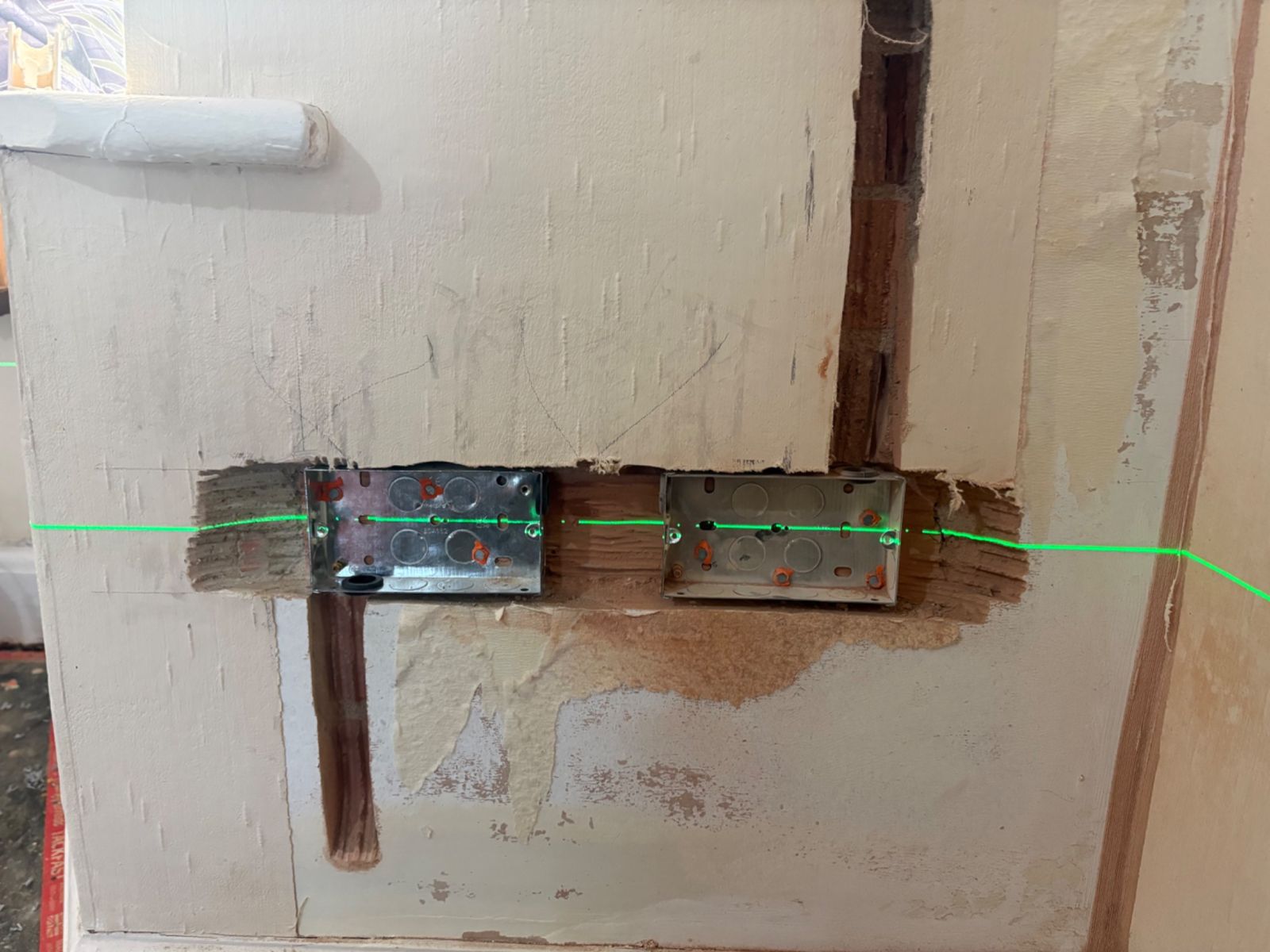
Full and partial rewiring, from first fix to completion.
Explore rewiringServing Kensington, Chelsea, Knightsbridge, Westminster and surrounding London areas. Send your postcode and a brief description to get started.
Need urgent help? Call 07754 549090
Read recent feedback from customers who chose A2Z Electric for electrical work across London.